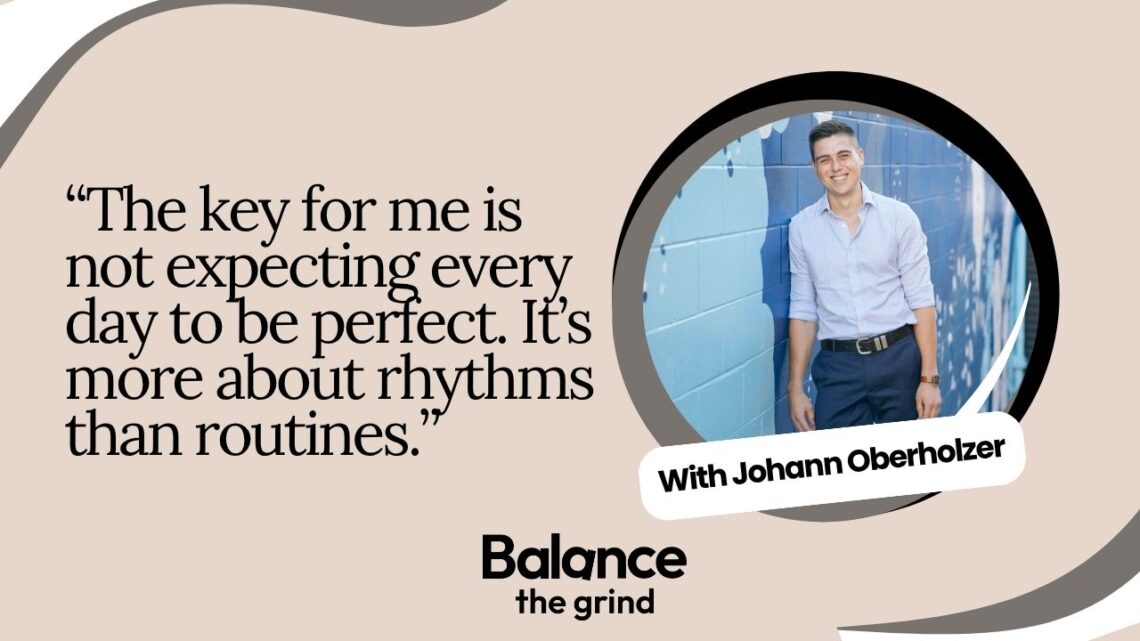

Johann Oberholzer knows what it takes to build something of your own — and he’s helping thousands of others do the same. As the founder of Sole App, he’s at the forefront of Australia’s booming sole trader movement, creating tools that make the financial side of self-employment less stressful and more sustainable.
With over 1.5 million Australians now identifying as sole traders, Johann sees 2025 as a tipping point — where autonomy, flexibility, and purpose are no longer fringe values, but the future of work. In this conversation, he shares how to stay grounded while juggling business and life, why burnout is often a clarity problem, and what every new sole trader should do from day one.
You’ve been closely watching the rise of sole traders in Australia—what do you think is driving this shift, and why is 2025 such a pivotal moment?
We’re seeing more people back themselves and build something of their own. Whether it’s freelancing, consulting, or turning a passion into a business, working for yourself has become less of a fringe idea and more of a mainstream career path.
In fact, over 1.5 million Australians now identify as sole traders — that’s nearly 60% of all actively trading businesses in the country. And 2025 feels like a tipping point. Technology has lowered the barriers, cost-of-living pressures are pushing people to diversify income, and there’s a deeper mindset shift happening: people want autonomy, purpose, and flexibility — and they’re willing to design their lives around it.
For me, I started Sole because I could see how many of these small operators were being let down by bloated tools that weren’t built for them. It felt like the right time to build something better — and it still does.
With so many people juggling side hustles, family, and full-time jobs, what advice do you have for staying organised and avoiding burnout?
Start by being honest with yourself: you can do anything, but not everything — at least not all at once. The best antidote to burnout isn’t more productivity hacks; it’s clarity. Get clear on your priorities, build routines that work for you, and don’t be afraid to say no.
And here’s a practical one: automate the boring stuff. Admin, invoicing, expenses — tools like Sole exist so you don’t spend your Sundays buried in spreadsheets. Free up that mental space for the things that really matter (like rest… or Netflix without guilt).
You’ve built Sole App to support people running their own businesses—what are some of the most common challenges you see among sole traders, and how does tech help solve them?
The biggest pain point? Financial admin. It’s the unglamorous side of being your own boss — reconciling transactions, chasing invoices, tracking expenses. Most people don’t start a business to become an amateur bookkeeper, yet that’s what ends up happening.
That’s where tech steps in. Sole automates as much of that as possible — linking your bank feed, generating reports, helping you stay on top of tax without needing a finance degree. The goal is to make financial admin feel invisible — or at least painless.
Cost-of-living pressures are a big part of the story—but are you also seeing a mindset shift around autonomy, purpose, and financial independence?
Absolutely. The cost-of-living squeeze might be the spark, but the fire is coming from something deeper — a growing desire for autonomy, flexibility, and meaning in how we work. More people want to design a life that works for them now, not just wait for fulfilment in retirement.
There’s a clear shift underway. Financial independence is no longer just about saving — it’s about creating income on your own terms. Becoming a sole trader offers that sense of control, and for the first time, the technology is keeping up. It’s never been easier to start small, move fast, and build something that fits around your life.
What does a typical day look like for you personally? How do you balance the demands of running a startup with your own well-being?
Let’s be honest — some days the balance is more juggle than zen. But I try to set guardrails: early mornings are for gym, focused work (and caffeine), mid-mornings for team check-ins and calls and afternoons for strategy or deep work. I block out time for a proper lunch — no sad desk salads — and I run most evenings to decompress.
The key for me is not expecting every day to be perfect. It’s more about rhythms than routines. And if I can end the day knowing I made progress and got to cook dinner without checking Slack, that’s a win.
For someone just starting a side hustle or sole trader journey in 2025, what are three small but powerful steps they can take to set themselves up for success?
Separate your finances early — get a business bank account, track expenses from Day 1, and avoid the dreaded “shoebox full of receipts” scenario.
Invest in tools that scale with you — even if you’re small now, using tech that grows with your business saves time (and headaches) later.
Talk about what you do — confidently. Share it with friends, post about it online, tell your neighbour. Word-of-mouth is still one of the best growth engines — and it starts with you.